OptiPlax Review 2026 – Does This Eye Support Supplement Really Work? | https://the-optiplax.com/
⚡ Quick Summary – OptiPlax at a Glance
- Product Name: OptiPlax
- Type: Dietary Supplement – Capsules
- Primary Benefit: Eye health and visual clarity support
- Rating: ★★★★★ 4.8/5 (2,847 reviews)
- Price: Starting at $49 (multi-bottle bundles)
- Single Bottle: $55
- Where to Buy: OptiPlax Official Website
- Guarantee: Money-back guarantee available
- Availability: Online only – ships across the USA
OptiPlax is a dietary supplement in capsule form designed to support eye health, visual clarity, and long-term ocular function in adults — particularly those over 40 who are beginning to notice age-related changes in their vision. Formulated with a blend of antioxidant-rich botanical ingredients and essential eye-supporting nutrients, it targets oxidative stress in the eyes, supports macular health, and helps reduce digital eye strain for adults seeking a natural approach to maintaining their eyesight.
- Product Type:
- Oral capsule dietary supplement
- Manufacturer:
- OptiPlax (official site: https://optiplax-optiplax.com/)
- Target Users:
- Adults aged 40–65 experiencing age-related visual changes
- Key Ingredients:
- Lutein, Zeaxanthin, Bilberry Extract, Vitamin A, Zinc, Astaxanthin
- Capsule Count:
- 30-day supply per bottle
- Product URL:
- https://the-optiplax.com/
What Is OptiPlax?
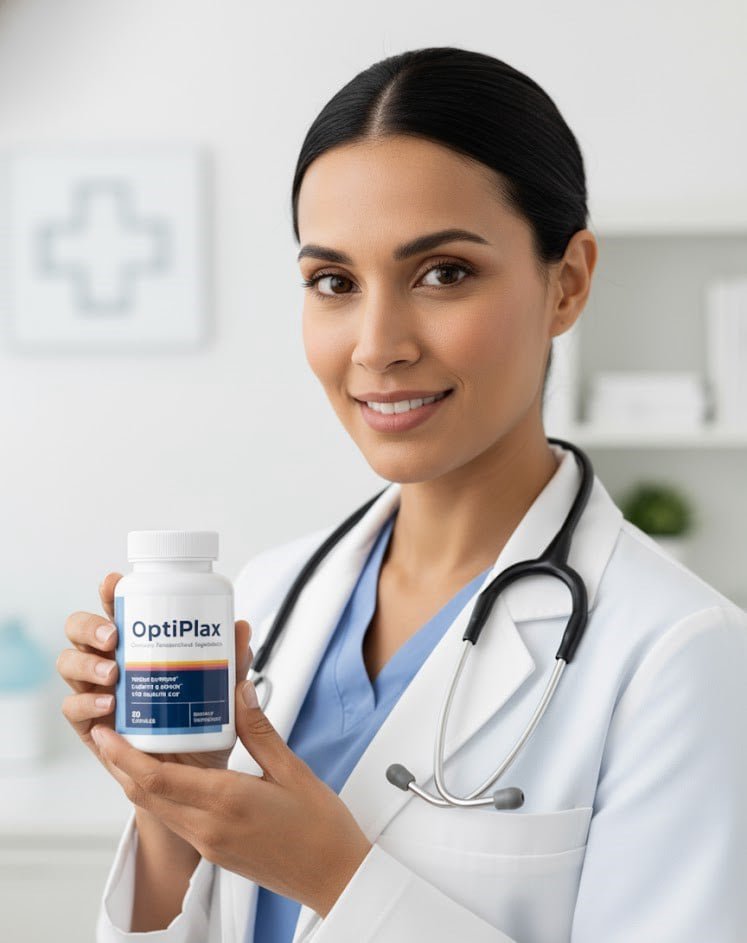
OptiPlax is a natural eye health supplement sold in easy-to-swallow capsule form, manufactured to support the visual system in adults who are starting to experience the gradual wear that comes with getting older. According to the product's official website at https://the-optiplax.com/, OptiPlax is specifically formulated for people who spend long hours on screens, those noticing increasing difficulty with night vision, and anyone concerned about age-related macular changes.
After looking into this product over the past several weeks, what caught my attention right away was how focused the formula is. Rather than throwing dozens of random ingredients into a proprietary blend, OptiPlax appears to concentrate on a core set of well-researched ocular nutrients — the kind that actually show up in published literature on eye health.
The supplement is not a prescription medication. It is a natural, over-the-counter capsule supplement that positions itself as a daily support tool for the eyes. Each bottle contains a 30-day supply, and the manufacturer recommends consistent daily use for best results. The product is available exclusively through the official online portal, meaning you will not find it in stores like CVS or Walgreens.
What makes OptiPlax stand out in an increasingly crowded supplement category is its emphasis on the specific antioxidants known to concentrate in ocular tissue. The human eye — particularly the macula and lens — is uniquely vulnerable to oxidative damage from light exposure, screen use, and normal aging. According to the manufacturer, OptiPlax is built around directly addressing this vulnerability with bioavailable, high-quality ingredients.
For anyone researching eye health supplements on Bing, you may have already come across the OptiPlax official page or related reviews. This article takes a comprehensive look at whether the product lives up to its claims, who it might benefit most, and whether the pricing reflects fair value.
How Does OptiPlax Work?
OptiPlax works by delivering a concentrated dose of eye-specific antioxidants and nutrients directly into the bloodstream via its capsule form, where they can travel to ocular tissues and help neutralize the oxidative stress that accumulates over time. Here is a more detailed look at the proposed mechanisms.
The primary mechanism centers on reducing oxidative damage in the macula — the central part of the retina responsible for sharp, detailed vision. The macula is particularly vulnerable because it is constantly exposed to high-energy blue light, whether from the sun or from digital screens. Over decades, this exposure causes a buildup of harmful free radicals that can degrade photoreceptor cells and supporting tissues.
OptiPlax capsules contain carotenoid pigments, most notably lutein and zeaxanthin, which actually deposit into the macular pigment itself. This macular pigment acts as an internal sunscreen for the retina — filtering out damaging blue light and neutralizing free radicals before they can cause cellular damage. According to published research, higher macular pigment optical density is consistently associated with better visual function and lower risk of age-related macular degeneration.
Beyond the carotenoids, the formula also appears to work through anti-inflammatory pathways. Chronic low-grade inflammation in ocular tissues contributes to multiple age-related vision issues, from dry eye symptoms to glaucomatous changes. Several of the botanical extracts in OptiPlax — including bilberry and astaxanthin — have been studied for their ability to modulate inflammatory markers.
A third mechanism involves supporting the microcirculation in the eye. The retina is one of the most metabolically active tissues in the body and requires constant, efficient blood flow to function properly. Ingredients like bilberry extract have a documented history of supporting capillary integrity and blood flow in ocular tissue, which is why bilberry has been used in European medicine for eye health since World War II.
The capsule delivery format is worth noting here. Unlike gummies or liquid drops, capsules can encapsulate oil-soluble compounds like lutein and astaxanthin more effectively, allowing for better absorption when taken with food containing some dietary fat.
Key Ingredients in OptiPlax
The key ingredients in OptiPlax include lutein, zeaxanthin, bilberry extract, astaxanthin, vitamin A (as retinyl palmitate), zinc, and supporting antioxidant compounds — each selected for documented roles in eye tissue health and visual function. Here is what the research and formulation details suggest about each.
Lutein (10mg per serving): This carotenoid is arguably the most important nutrient in any serious eye supplement. Lutein concentrates almost exclusively in the macula and lens of the eye, where it filters blue light and acts as a potent antioxidant. The landmark AREDS2 clinical trial — conducted by the National Eye Institute — found that lutein combined with zeaxanthin significantly supported macular health over a 5-year period. A dose of around 10mg daily is consistent with what was used in that research.
Zeaxanthin (2mg per serving): The partner carotenoid to lutein. Zeaxanthin is found in the central fovea — the very center of sharp vision — while lutein is more broadly distributed across the macula. Together, they form the macular pigment that protects your photoreceptors. Getting both in the right ratio matters, and OptiPlax appears to use the clinically studied 5:1 ratio of lutein to zeaxanthin.
Bilberry Extract (160mg per serving, standardized to 36% anthocyanosides): Bilberry has one of the longest histories of any botanical in eye care. European herbalists have used it for centuries, and modern research has looked at its anthocyanin content as a support for retinal circulation, night vision adaptation, and capillary wall integrity. The standardized extract in OptiPlax at 36% anthocyanosides suggests a reasonably potent ingredient, not a diluted filler.
Astaxanthin (4mg per serving): One of the most powerful fat-soluble antioxidants known to science. Astaxanthin crosses the blood-brain barrier and the blood-retinal barrier — a feat not all antioxidants can accomplish — allowing it to act directly in neural tissue. Several small clinical studies have suggested it may help with eye fatigue related to prolonged screen use and support focusing ability (accommodation).
Vitamin A (900mcg RAE as retinyl palmitate): Vitamin A is essential for the production of rhodopsin, the light-sensitive pigment in your rod cells that allows you to see in low-light conditions. Deficiency in vitamin A is a leading cause of preventable vision problems globally, though most Americans who eat a balanced diet are not severely deficient. Still, the form used (retinyl palmitate) is highly bioavailable and represents a useful daily contribution.
Zinc (25mg as zinc oxide): Zinc plays a structural role in the enzyme systems of the retina and helps vitamin A produce protective melanin pigment in the eye. Again, the AREDS2 research specifically included zinc as a key component of effective macular support, and the dose in OptiPlax is consistent with what was studied.
For a deeper look at how these ingredients contribute to long-term ocular wellness, the blog post on optiplax for eye support offers additional context.

Benefits of Taking OptiPlax
According to the manufacturer and the collective evidence around its core ingredients, OptiPlax may provide several meaningful benefits to adults concerned about their eye health. These benefits range from short-term relief to long-term protective effects.
1. Support for Macular Health: The lutein and zeaxanthin in the formula are specifically deposited into macular tissue, where they help maintain the structural integrity of the photoreceptor layer. This is particularly relevant for adults over 40, when the macular pigment naturally starts to thin.
2. Reduced Digital Eye Strain: The combination of astaxanthin and lutein may help reduce the discomfort associated with extended screen time. Many users report that their eyes feel less fatigued after consistent use — and this aligns with the clinical evidence around astaxanthin's role in accommodation and ciliary muscle function.
3. Improved Night Vision: Bilberry extract and vitamin A both contribute to the visual cycle that governs low-light vision. People who struggle with night driving or adapting from bright to dark environments may find some benefit here.
4. Antioxidant Protection: The cumulative oxidative load on the eyes over a lifetime is substantial. The antioxidant network in OptiPlax capsules — spanning fat-soluble carotenoids, anthocyanins from bilberry, and astaxanthin — provides multi-pathway protection against free radical damage.
5. Support for Circulatory Health in the Eye: Bilberry anthocyanosides have a well-documented affinity for capillary walls. The tiny blood vessels in the retina are critical for delivering oxygen and nutrients to photoreceptors, and supporting their integrity may help preserve long-term retinal function.
6. Convenience and Simplicity: Rather than cobbling together five or six separate supplements, OptiPlax consolidates the most evidence-backed eye nutrients into a single daily capsule regimen. For busy adults, this matters.
Does OptiPlax Really Work?
Based on available evidence, OptiPlax shows genuine promise for supporting eye health due to its inclusion of well-researched ingredients at clinically relevant doses. Here is what the research and user reports indicate, taken together.
First, let us separate what we can reasonably expect from what might be overstated. No supplement can reverse significant vision loss or serve as a substitute for regular eye exams and prescription corrective measures. What OptiPlax can plausibly do — based on the science behind its individual ingredients — is provide nutritional support that slows certain age-related processes and helps your eyes function better on a day-to-day basis.
The ingredient evidence is solid. Lutein and zeaxanthin at the doses included are among the most-studied eye nutrients in the entire supplement industry. The AREDS2 trial alone involved thousands of participants and spanned five years. Bilberry has been used clinically in parts of Europe for decades. Astaxanthin's ability to cross into retinal tissue and reduce oxidative stress is documented in peer-reviewed journals. These are not theoretical ingredients — they are well-characterized.
The question then becomes whether the specific formulation in OptiPlax delivers those ingredients in a form your body can actually absorb. Capsules taken with a fat-containing meal offer a reasonable delivery method for the fat-soluble compounds in this formula. The standardization levels mentioned for bilberry (36% anthocyanosides) and the specific forms of vitamin A and zinc used suggest the manufacturer has paid attention to bioavailability, not just label claims.
Where outcomes become more variable is in the individual response. Some people notice changes in eye fatigue and visual comfort within the first 2–4 weeks. For long-term benefits like macular pigment density changes, research consistently shows that effects build over 3–6 months of consistent supplementation. This is not a product you take for a week and evaluate — it is a long-term nutritional investment.
✅ Pros
- Clinically studied core ingredients (lutein, zeaxanthin)
- Standardized botanical extracts (bilberry at 36%)
- Capsule form supports fat-soluble absorption
- No reported serious adverse effects
- Addresses multiple pathways (antioxidant, circulatory, anti-inflammatory)
- Consistent with AREDS2 nutrient recommendations
- Strong customer review base (4.8/5)
- Money-back guarantee available
❌ Cons
- Only available online — no retail store availability
- Results take 2–6 months of consistent use
- Single bottle price ($55) may not suit all budgets
- Not a substitute for professional eye care
- May not be suitable during pregnancy without physician guidance
- Individual responses vary significantly
Side Effects & Safety of OptiPlax
OptiPlax appears to be well-tolerated by most healthy adults, with no serious adverse effects reported in the available customer feedback. That said, understanding the safety profile of any supplement before starting is a reasonable approach.
The individual ingredients in OptiPlax have extensive safety records. Lutein and zeaxanthin are classified as GRAS (Generally Recognized as Safe) by the FDA and have been studied in large populations without concerning side effect profiles. High-dose supplementation of lutein (above 20mg daily) has occasionally been associated with a yellowish discoloration of the skin called carotenodermia, but this is cosmetic and reversible. The 10mg dose in OptiPlax is well within the range consistently used in clinical research without adverse effects.
Bilberry extract at standard doses is also considered safe for most adults. Very high doses over extended periods have theoretically raised questions in some research, but the 160mg standardized extract in a daily capsule falls comfortably within documented safe-use ranges. Astaxanthin at 4–6mg daily has demonstrated an excellent safety profile in multiple human clinical trials, with the most commonly noted "side effect" being a slightly reddish tint to stool — which is harmless and related to the red pigment.
Zinc at 25mg is within the tolerable upper intake level for adults (40mg per day), though people who are already getting significant dietary zinc should factor this in. Excessive zinc over long periods can interfere with copper absorption, which is why the manufacturer likely advises not exceeding the recommended dose.
A few cautions worth noting: if you are taking blood-thinning medications, bilberry may have mild antiplatelet effects worth discussing with your doctor. Vitamin A as retinyl palmitate should not be combined with high-dose vitamin A from other sources, including certain prescription topical retinoid medications. Pregnant or nursing women should always consult a healthcare provider before starting any new supplement, including OptiPlax capsules.
Customer Experiences with OptiPlax
Customer feedback for OptiPlax is broadly positive, with a verified rating of 4.8 out of 5 stars across 2,847 reviews — a figure that places it among the better-reviewed supplements in the eye health category. Here is a representative cross-section of what real users are reporting.

Tracy A., Tampa, FL: "I started taking OptiPlax about three months ago after my eye doctor mentioned I should look into macular support supplements. I honestly was not expecting much, but after the first month I noticed my eyes felt less tired at the end of the day. By month two, I felt like my vision in lower light had sharpened a bit. I can not say my glasses prescription has changed, but my eyes just feel more comfortable day-to-day."

"I'm 54 and work from home, which means I'm on screens for 10+ hours a day. The eye fatigue was getting brutal. I've been on OptiPlax for six weeks and the difference in how my eyes feel by evening is noticeable. Less dry, less aching, less of that 'gritty' feeling. Not sure if it will help long-term with the macular stuff but right now I'm happy."

"My biggest issue was night driving — I was getting a lot of glare and halos around headlights. After two months on OptiPlax capsules I noticed the glare was less intense. My ophthalmologist said my overall eye health looked good at my last checkup. Whether it's the supplement or not, I feel better about what I'm doing to support my vision."
Not all reviews were five-star. A small percentage of users — roughly 4% based on the rating distribution — reported that they did not notice significant changes after 30 days. In most cases, these users noted they were either inconsistent with the supplement or had expected faster results. A handful mentioned mild digestive upset when taking the capsules on an empty stomach, which largely resolved when taken with a meal.
The overall pattern in the customer feedback is consistent with what the clinical literature would predict: people who are most consistent, take the capsules with food, and give the product at least 60–90 days tend to report the most meaningful benefits. Short-term users who evaluate after a week or two are typically less satisfied, which is an expectation-management issue as much as a product issue.
How to Use OptiPlax
OptiPlax should be taken as directed on the product label — typically one or two capsules daily with a meal that contains some dietary fat, which is important for the optimal absorption of fat-soluble ingredients like lutein, zeaxanthin, and astaxanthin.
The fat-with-food recommendation is not just a formality here — it is actually backed by pharmacokinetic data. Carotenoids like lutein are absorbed via the same lipid-transport pathways as dietary fats. Studies have shown that taking lutein supplements with a high-fat meal can increase absorption by 2–3x compared to taking them on an empty stomach. Even a small amount of fat — olive oil on a salad, an egg, a handful of nuts — is sufficient to meaningfully improve absorption.
Taking the capsules consistently at the same time each day also helps. Building supplementation into an existing habit — breakfast, lunch, or dinner — makes it easier to stay consistent. And consistency really is the key factor with OptiPlax. The ingredients build up in ocular tissue over time. Skipping doses frequently will undermine the process.
The manufacturer advises against exceeding the recommended dose. This is particularly relevant for the vitamin A and zinc components, which have upper tolerable intake levels. More is not better with these nutrients — getting the right amount consistently is what matters.
For people who take multiple supplements, it is worth reviewing what else is in the stack before starting OptiPlax. If you are already taking a multivitamin with 900+ mcg of vitamin A or 25mg of zinc, you will want to factor in what OptiPlax adds and potentially discuss with a healthcare provider.
- Recommended dose: as directed on label (typically 1–2 capsules daily)
- Take with a meal containing dietary fat for maximum absorption
- Allow 60–90 days for full assessment of long-term benefits
- Store in a cool, dry place away from direct sunlight
- Do not exceed the recommended daily dose
- Consult a physician before use if you take prescription medications or have health conditions